The Allure of Casinos and Their Environment
Casinos create a unique atmosphere designed to captivate and engage visitors. With bright lights, vibrant colors, and immersive sounds, the environment is engineered to stimulate excitement and anticipation. This sensory overload can significantly influence decision-making processes, often leading individuals to make choices they wouldn’t typically consider in a more subdued setting. Many people enjoy exploring online options like a new bitcoin casino that adds a modern twist to traditional gambling experiences.
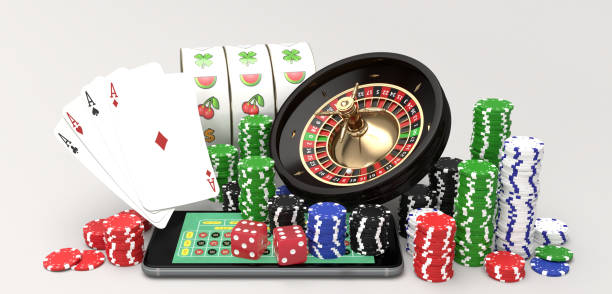
The constant exposure to visual and auditory stimuli can affect how players perceive time and risk. In such an environment, people may feel a heightened sense of optimism, often leading them to gamble more than they initially intended. This shift in perception is crucial in understanding how the casino experience alters cognitive functions related to decision-making.
The Role of Cognitive Biases
Cognitive biases play a significant role in how we make decisions, particularly in high-stakes environments like casinos. One common bias is the illusion of control, where gamblers believe they can influence the outcome of random events, such as slot machines or card games. This belief can encourage riskier behavior, leading to more substantial financial losses. Unknown factors often amplify this mindset, making it essential for players to remain aware of their surroundings.
Additionally, the “gambler’s fallacy” can affect decision-making in casinos. This fallacy leads individuals to believe that past outcomes can predict future events, such as assuming a losing streak must be followed by a win. These cognitive distortions can cloud judgment and lead to continued gambling despite overwhelming evidence of a lack of control over the outcomes.
The Emotional Aspect of Gambling
The emotional impact of gambling cannot be overlooked. Many individuals associate a trip to the casino with excitement and thrill, which can create an emotional response that drives further decision-making. This emotional intensity can lead to impulsive actions, such as betting larger amounts or chasing losses in an attempt to regain control.
Furthermore, emotions like excitement, joy, and even despair can amplify the decision-making process within the casino context. Players may become so absorbed in the moment that rational decision-making goes out the window, making them susceptible to poor choices that could have financial repercussions.
The Influence of Social Dynamics
Social dynamics also play a critical role in how decisions are made in casinos. The presence of other players can influence individual choices, encouraging more aggressive betting and risk-taking behavior. Social proof becomes a significant factor, as individuals often look to the actions of others to guide their own decisions.
Moreover, the camaraderie developed in casino settings can lead to groupthink, where individuals conform to the behaviors of their peers, even if those behaviors are detrimental. This social influence can amplify the psychological effects of gambling, reinforcing poor decision-making patterns that may persist beyond the casino.

Understanding Casino Psychology Through Secure Platforms
To navigate the complexities of casino psychology, it’s essential for individuals to seek reliable spaces for information and support. Platforms that prioritize user security and provide insights into the psychological aspects of gambling can empower users to make informed decisions. These platforms can demystify the mechanics behind decision-making in casinos, highlighting the importance of being aware of psychological traps.
By utilizing resources that focus on mental well-being and responsible gambling practices, individuals can better understand their motivations and the impact of the casino environment on their choices. Engaging with secure platforms can help foster a healthier relationship with gambling, ensuring that decisions are made with clarity and awareness rather than emotional impulse.